
So, you’ve finished a construction job in Texas and finally got paid. That’s great news! But now what? You need to officially remove the lien you filed on the property. It’s like closing a chapter. This document, a construction lien release Texas, is super important for both you and the property owner. It basically says, ‘Yep, I got my money, and I’m letting go of my claim on your property.’ It’s not just a formality; it’s a legal step that keeps things clean and professional. Let’s talk about how to get this done right.
Key Takeaways
- A construction lien release Texas is filed after you’ve been paid in full for work done on a property. It officially removes your lien from the property’s title.
- You generally have 10 days after receiving a written request from the property owner to file the release, provided full payment has been made and cleared.
- Always confirm that payment has fully cleared your bank before signing a lien release. Signing too early can mean you lose your lien rights and the money.
- The release document needs specific details, including property owner and lienholder info, details of the original lien, and the property’s legal description. It must be notarized.
- Filing the release with the county clerk where the original lien was recorded is mandatory. Not doing so, or missing deadlines, can lead to legal issues and damage your reputation.
Understanding The Purpose Of A Construction Lien Release Texas
When you’ve completed work on a construction project and received payment, the next important step is to officially remove any claim you had on the property. This is where a construction lien release comes in. It’s a legal document that essentially says, "I’ve been paid, and I no longer have a claim against this property." Filing this document is just as important as filing the original lien, if not more so, because it helps keep everything clean and legal for everyone involved.
Clearing The Property Title
Think of a lien as a temporary hold or a "cloud" on a property’s title. This cloud can make it difficult, if not impossible, for the property owner to sell, refinance, or even get a new loan on the property. When you file a lien release, you’re removing that cloud. It’s like clearing the air so the owner can move forward with their property transactions without any issues. Promptly filing a release after payment is received helps restore the property’s clear title status, which is good for the owner and shows you’re reliable.
Maintaining Professional Relationships
In the construction world, reputation and relationships matter a lot. Sending over a lien release quickly after getting paid shows that you’re a professional who honors agreements. It builds trust with property owners, general contractors, and other parties you might work with in the future. This kind of reliability can lead to repeat business and good word-of-mouth referrals. It’s a sign that you’re not just looking out for yourself but also for the smooth completion of the project for everyone.
Avoiding Legal Complications
Not filing a lien release when you’re supposed to can actually cause more problems than it solves. If a property owner has paid you in full and then requests a release, and you don’t provide it in a timely manner, they could potentially take legal action. This could mean facing lawsuits, paying fines, or covering legal fees. It’s much simpler and cheaper to just file the release correctly and on time. It avoids unnecessary disputes and keeps your business out of court.
Key Information Required For A Texas Lien Release
When you’ve been paid in full and it’s time to remove a lien from a property, you’ll need to prepare a lien release document. This isn’t just a simple "thank you" note; it’s a formal legal document that needs specific details to be effective. Getting this right is super important for clearing the property title and avoiding any future headaches for everyone involved.
Identifying Property Owners And Lienholders
First off, you absolutely need to get the names right. This means the full legal names of the property owner(s) and the lienholder(s). If you’re a business, use your exact business name as it appeared on the original lien filing. Any mismatch here, even a small one, could cause problems down the line. It’s like trying to unlock a door with the wrong key – it just won’t work.
Details Of The Original Lien
To make sure the release is tied to the correct lien, you’ll need to include specific information about the original document. This usually involves:
- The date the original lien was filed.
- The amount of the original lien claim.
- The county document number assigned to the original lien when it was recorded. This number is like a unique ID that connects the release directly to the lien in the public records.
Legal Description Of The Property
While a street address is helpful, it’s often not enough for a legal document like a lien release. You’ll need the official "legal description" of the property. This is a detailed description that precisely identifies the boundaries and location of the land. You can usually find this on the original lien document itself, or on the property deed. Think of it as the property’s fingerprint – unique and unmistakable.
Confirmation Of Debt Satisfaction
This is the core of the release. You need to clearly state that the debt related to the lien has been fully satisfied. This usually means confirming that payment has been received and accepted. It’s a good idea to include a statement that the lien claim is now settled. This part is what officially tells the world (and the county records) that the obligation is met and the lien is no longer valid. It’s the final stamp of approval that closes the chapter on the debt. See how it works with online services.
The Process Of Filing A Lien Release In Texas
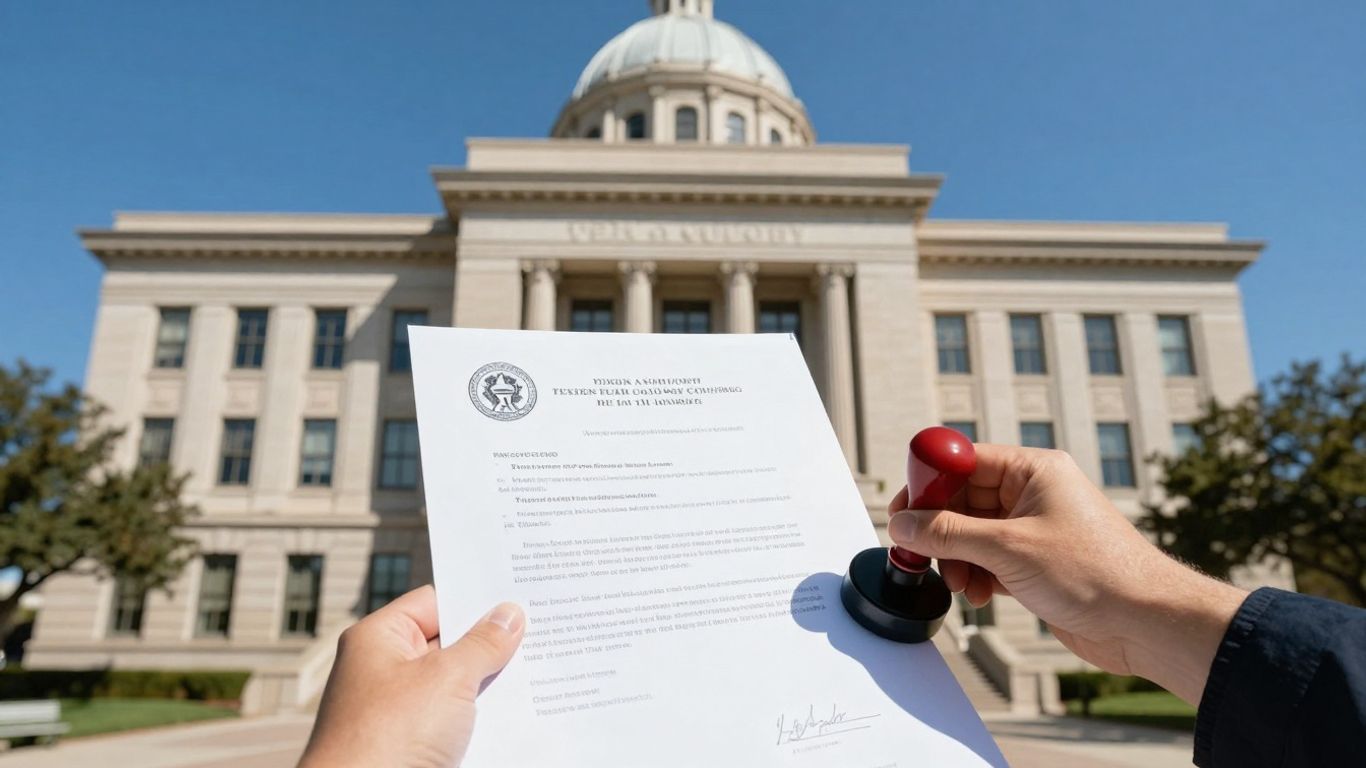
Once you’ve been paid in full and received a written request from the property owner, it’s time to officially clear the lien from the property records. This process, while straightforward, requires attention to detail to make sure everything is done correctly. It’s a vital step in finalizing your business dealings and maintaining good relationships.
Preparing The Release Document
Before you can file anything, you need to have the actual release document ready. Texas doesn’t have one single, state-mandated form for lien releases, but there are key pieces of information that absolutely must be included for it to be valid. Think of it like filling out a form for official purposes – if you miss something important, it might get sent back.
Here’s what you generally need to include:
- Identifying Information: The names of the property owner and the lienholder (that’s you or your company) need to be exact, matching what was on the original lien. This avoids confusion.
- Original Lien Details: You’ll need to reference the original lien. This usually means including the date it was filed and its unique county document number. This number is like a serial number that connects the release directly to the original claim.
- Property Description: The legal description of the property is essential. This is often found on the original lien or the property deed itself. It precisely identifies the land the lien was attached to.
- Confirmation of Satisfaction: A clear statement that the debt has been paid in full and the lien claim is satisfied is a must. This is the core purpose of the document.
Notarization Requirements
This is a big one. In Texas, a lien release isn’t just something you sign and send off. It needs to be notarized. This means you, the person who filed the original lien, must sign the release document in the presence of a notary public. The notary then officially witnesses your signature and affixes their seal. This step adds a layer of legal authenticity to the document, confirming that you are indeed the one authorizing the release of the lien.
Filing With The County Clerk
After the document is prepared and properly notarized, the next step is to file it. You need to take the notarized lien release to the county clerk’s office in the same county where the original lien was filed. This is where the lien is officially removed from the public record. There will likely be a small filing fee associated with this, so be prepared for that. Filing it correctly is what makes the release legally effective and clears the property’s title.
Providing Copies To The Property Owner
Once the lien release has been filed with the county clerk, it’s good practice to provide a copy of the filed document to the property owner. This serves as their proof that the lien has been officially released and helps close out the transaction smoothly. It’s a professional courtesy that reinforces the positive resolution of the matter. If you’re dealing with a complex situation or a significant amount of money, getting professional help can be a smart move. See how it works online lien services.
Navigating Partial Payments And Lien Releases
Sometimes, things don’t go perfectly, and you might receive a partial payment instead of the full amount owed. This can happen for various reasons, and it’s important to know how to handle it when it comes to lien releases in Texas. You don’t want to accidentally give up your rights to the rest of the money you’re owed.
When To Consider A Partial Release
If you’ve received some payment but not the total amount, a full lien release isn’t the right move. Instead, you might want to consider filing a partial lien release. This document acknowledges that you’ve received a portion of the payment. It’s a good way to show you’re working with the property owner and to keep the records accurate about what’s been paid so far. It also shows you’re acting in good faith, which can help maintain a decent working relationship.
Specifying Remaining Lien Amounts
When you prepare a partial lien release, it’s super important to be clear about what’s still owed. The document should clearly state the amount that has been paid and, just as importantly, the remaining balance of the lien. This way, everyone knows exactly where things stand. You’re essentially saying, ‘Yes, I got this much, but there’s still this much left that I’m entitled to.’ This keeps your claim for the unpaid portion active.
Maintaining Rights For Unpaid Balances
A partial release is designed to protect your ability to collect the rest of the money. It’s not the same as a full release, which would mean the debt is completely settled. By filing a partial release, you’re confirming payment for a specific amount while still holding onto your rights to pursue the remaining balance. This is a key step to make sure you don’t lose out on what you’re owed. It’s a way to clear the title for the portion that’s been paid, without giving up your claim on the rest. If you’re dealing with a situation where you’ve filed a lien and received partial payment, understanding how to properly document this is key. You can find more information on handling these situations and preparing the necessary documents to obtain an unpaid project lien release by confirming payment and gathering details.
Critical Timelines For Filing Your Texas Lien Release
When you’ve been paid in full for your work, filing a lien release in Texas is the next important step. It’s not just about closing out a project; it’s about following specific legal timelines to keep everything above board. Missing these deadlines can cause headaches, both legally and professionally. Let’s break down when you need to act.
The 10-Day Window After Written Request
Once you’ve received full payment for the work covered by a lien, the clock starts ticking on a specific timeframe. Texas law states that you have 10 days to file a lien release after receiving a written request from the property owner or the party who made the payment. It’s important to remember that this 10-day period doesn’t start when you get paid, but rather when you receive that formal written request for the release. This gives you a bit of breathing room to confirm payment has cleared and to prepare the necessary paperwork.
Importance Of Full Payment Verification
Before you even think about signing a lien release, you absolutely must confirm that the payment has cleared. This might sound obvious, but it’s a common pitfall. A bounced check or a reversed electronic payment after you’ve already signed a release can leave you in a tough spot, having given up your lien rights without actually receiving the funds. Always wait until the money is securely in your bank account. This verification step is key to protecting your lien rights.
Consequences Of Missing Deadlines
Failing to file a lien release within the required timeframe after a written request and full payment can lead to trouble. The property owner could potentially take legal action against you. This might include claims for damages, court costs, and even attorney’s fees. Beyond the legal ramifications, it can also damage your reputation. Promptly filing releases shows you’re a reliable professional, which is good for future business. It’s a simple step that avoids bigger problems down the road.
Common Mistakes To Avoid With Texas Lien Releases

Even seasoned pros can stumble when it comes to lien releases. It’s easy to get caught up in the details and overlook something important, which can cause big headaches later. Let’s talk about some of the most common slip-ups so you can steer clear of them.
Signing Before Payment Clears
This is probably the biggest mistake anyone can make. You get paid, you sign the release, right? Well, not so fast. You absolutely must wait until the payment has fully cleared your bank account. If you sign a release and the check bounces or the electronic transfer gets reversed, you’ve just given away your leverage. Your lien rights are gone, and you might not get paid at all. Always confirm the funds are secure before putting your signature on that release document.
Incorrect Document Referencing
When you file a lien release, it needs to connect back to the original lien you filed. This usually involves referencing a specific county document number. If you get this number wrong, or if it doesn’t match the original filing exactly, the county clerk might reject your release. This means the lien technically stays on the property records, even though you’ve been paid. Double-checking this number against your original lien filing is super important.
Confusing Releases With Waivers
It’s easy to mix up lien releases and lien waivers, but they serve very different purposes. A lien waiver is typically signed before you file a lien, often when you receive a progress payment. It waives your right to file a lien for that specific payment. A lien release, on the other hand, is signed after you’ve filed a lien and have been paid in full. It’s the document that officially removes the lien from the property records. Using the wrong document can have serious legal consequences, so make sure you know which one you need for your situation.
It’s vital to remember that a lien release is a formal legal document that, once signed and filed, extinguishes your claim against the property. Ensure all conditions, especially payment, are met before proceeding. Mistakes here can be costly and difficult to undo.
When To Seek Professional Assistance For Lien Releases
While filing a lien release in Texas might seem straightforward, there are times when getting a little help can save you a lot of headaches. It’s not always a DIY situation, especially when things get complicated.
Complexity of the Situation
Sometimes, the details of a project or payment just aren’t simple. Maybe there were multiple change orders, partial payments spread out over a long period, or disputes about the work performed. In these scenarios, a standard release form might not fully capture the agreement between parties. You could find yourself needing to draft custom language or ensure that all prior agreements are accounted for. This is where a professional who understands the nuances of Texas construction law can be a real lifesaver. They can help make sure the release accurately reflects the situation and protects everyone involved.
Utilizing Online Lien Services
For many contractors and suppliers, especially those who deal with liens regularly, online services are a fantastic resource. These platforms are built to streamline the entire lien process, from filing the initial lien to preparing and filing the release. They often have up-to-date forms that comply with Texas statutes and can guide you through the necessary steps. Think of them as a specialized tool designed for this exact purpose. They can help you avoid common errors and ensure your documents are correctly prepared and filed. You can find services that help with preparing your lien documents quickly and affordably.
Understanding Statutory Requirements
Texas law has specific rules about how liens and their releases must be handled. While many situations are covered by standard forms, there are always specific requirements that need to be met. For instance, knowing exactly what information must be included, how the property description needs to be worded, and the correct procedures for notarization and filing can be tricky. If you’re unsure about any of these statutory requirements, or if your situation involves a significant amount of money or a complex project, consulting with a legal professional or using a specialized online service is a smart move. It’s better to be safe than sorry when it comes to legal documentation. See how it works.
Sometimes, dealing with lien releases can get tricky. If you’re unsure about the steps or run into complications, it’s smart to get help from someone who knows the ropes. Don’t let confusion slow you down; visit our website to learn more about how we can make this process smooth for you.
Wrapping It Up
So, we’ve walked through the ins and outs of lien releases in Texas. It might seem like a lot of paperwork and rules, but getting it right is super important. Filing a release promptly after you’ve been paid not only clears the property’s title but also keeps your professional reputation solid. Remember, it’s not just about collecting what you’re owed; it’s about closing out the job cleanly and maintaining good relationships. Pay attention to those deadlines and make sure all your documents are spot on. Doing this right helps avoid headaches down the road for everyone involved.
Frequently Asked Questions
What is a lien release, and why is it important in Texas?
A lien release is a document that says you’ve been paid for work or materials you provided for a property. It’s super important because it officially removes the claim (the lien) you had on the property. This clears the property’s title, making it easier for the owner to sell or borrow money against it. It’s like giving the property a clean bill of health after the debt is settled.
When should I file a lien release in Texas?
You should file a lien release right after you’ve received full payment for your work, and importantly, after that payment has officially cleared your bank. Texas law also says you have 10 days to file it once the property owner sends you a written request for the release. So, get paid, wait for the money to clear, and then act fast when asked!
What information do I need for a Texas lien release?
To fill out a lien release correctly, you’ll need to know the names of the property owner and who filed the original lien. You’ll also need details about the original lien, like when it was filed and the amount. Plus, you absolutely need the property’s correct legal description. It’s all about making sure the release matches the original lien perfectly.
Can I file a partial lien release if I only received some of the payment?
Yes, you can! If you’ve received part of the money owed but not all of it, you can file a partial lien release. This document should clearly state how much you’ve been paid and how much of the debt is still outstanding. It shows you’re acknowledging the payment while still keeping your right to collect the rest of the money you’re owed.
What happens if I don’t file a lien release on time in Texas?
If you don’t file the lien release within the 10 days after getting a written request and full payment, you could get into trouble. The property owner might sue you for damages, which could include their lawyer fees and court costs. Plus, it can really hurt your reputation and make it harder to get future jobs.
Do I need a lawyer to file a lien release in Texas?
You don’t always need a lawyer to file a lien release in Texas, especially if the situation is straightforward. Many contractors handle it themselves or use online services that specialize in these documents. However, if things are complicated or involve a lot of money, getting advice from a legal professional might be a good idea to make sure everything is done correctly.