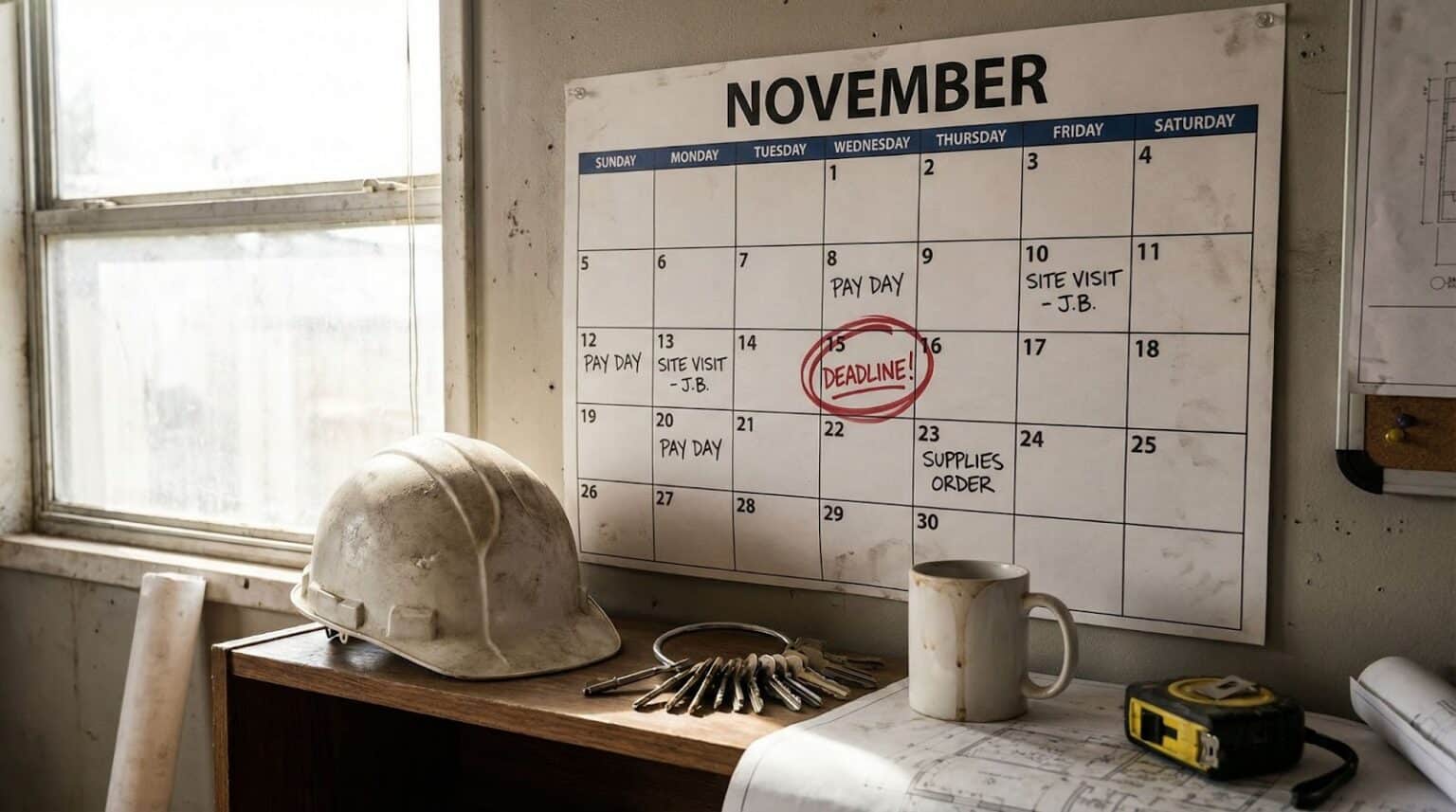
When it comes to getting paid for construction work in Texas, knowing how to handle liens can make a big difference. Lien best practices aren’t just for big companies—they’re for every contractor and subcontractor who wants to protect their right to payment. The rules can be confusing, especially with so many deadlines and paperwork requirements. This guide breaks down what you need to know about Texas lien laws, filing procedures, and common mistakes, so you can focus on your work without worrying about missed payments or legal headaches.
Key Takeaways
- Understand who can file a lien and the difference between constitutional and statutory liens, especially if you’re a general contractor or a subcontractor.
- Keep detailed records of all agreements and communications, even if your contract was just a handshake or a text message.
- Track all lien deadlines by project type and make sure to send the right notices to the right people on time.
- Avoid common mistakes like using the wrong property description, missing notice recipients, or filing in the wrong county.
- Use technology and clear internal processes to stay organized and make sure nothing slips through the cracks.
Understanding Texas Lien Law Fundamentals
Texas lien laws set the ground rules for how contractors get paid, especially when payments run late. If you want to protect your paycheck, you have to understand who can actually file a lien, how Texas splits liens into two big categories, and the different rules for general contractors versus everyone else.
Who Qualifies to File a Lien
Not everyone who swings a hammer or supplies materials can file a lien in Texas. Here’s who’s usually in:
- General contractors (original contractors): People or companies in direct contract with the property owner.
- Subcontractors: Those hired by a general contractor or another subcontractor, from electricians to roofers.
- Material suppliers: Anyone providing building materials or equipment, even if they never set foot on the job site.
- Licensed design professionals: Think architects, engineers, and surveyors—if they’re properly licensed.
- Equipment rental companies and landscapers too.
A big caveat: For homesteads (people’s homes), you’ll need a written contract, signed by all owners (spouses too), and it has to be filed at the local county clerk. For everyone else? Paperwork still helps, but it’s not always a hard requirement. And for public jobs, you’re looking at bond claims instead. Bonding around a lien is another angle— especially when property owners want a clean title fast.
Constitutional vs. Statutory Liens
Texas gives contractors two basic avenues for getting paid using liens:
| Lien Type | Who Qualifies | Paperwork Required | Key Benefit |
|---|---|---|---|
| Constitutional Lien | Only original contractors with direct contracts | Not required to exist; needed to enforce | Automatic attachment; strongest for general contractors |
| Statutory Lien | Most contractors, subs, suppliers, design pros | Yes: Notices & lien affidavit | Opens lien rights for more project participants |
Constitutional liens are automatic—you don’t have to file any paperwork to have the right, but you still need to file to enforce. Only works if you have a direct relationship with the property owner (think general contractor).
Statutory liens require you to follow specific steps: send pre-lien notices, hit your filing deadlines, and use the right forms. This process gives subcontractors, material suppliers, and others a way to claim unpaid amounts—even without a direct owner relationship.
Key Differences for Original Contractors and Subcontractors
Original contractors and everyone else play by different rules. Here’s how it shakes out:
- Notice Requirements:
- General contractors usually don’t need to send a pre-lien notice before filing (except for residential homesteads).
- Subcontractors and suppliers must send pre-lien notices to the owner and original contractor by strict deadlines. Missing a notice = lost lien rights.
- Deadlines:
- General contractors file liens based on project completion—not their specific last day.
- Subcontractors and suppliers use the date they finished their part (last work or last delivery).
- Property Impacts:
- Liens filed by original contractors are typically enforceable for the full contract amount.
- Subcontractor liens are limited to what remains unpaid to the original contractor.
Here’s a quick summary:
| Role | Pre-Lien Notice? | Filing Deadline (Commercial) | Basic Rights |
|---|---|---|---|
| General Contractor | Sometimes* | 15th of 4th month after project completion | Full contract |
| Subcontractor/Supplier | Yes | 15th of 4th month after last work/material | What’s unpaid |
*Residential homesteads require advance, filed written contracts and notice from all.
The bottom line: If you’re a general contractor, you’ve got more direct power. Subcontractors and suppliers, on the other hand, need to be on it—track dates, send timely notices, and file by the calendar. Missing just one step could mean your lien’s dead in the water.
Mastering Lien Documentation and Communication

When you’re working on a construction project, especially if things get a little fuzzy on the contract side, keeping good records and talking clearly with everyone involved is super important. It’s not just about getting paid; it’s about making sure you have proof if something goes wrong. Think of it like building a house – you need a solid foundation, and for liens, that foundation is your documentation and communication.
Essential Documentation for Verbal Agreements
Sometimes, you start a job based on a handshake or a quick chat. While Texas law allows for liens even without a formal written contract in many cases, it makes things a lot harder if you don’t have proof. You really need to create a paper trail. After any verbal discussion about the project’s scope, what it will cost, or when it should be done, send a follow-up email or text. Just a simple "Confirming our discussion today regarding the kitchen remodel, including X, Y, and Z for $A,B00, with completion by [date]" can make a huge difference. If there are any changes or extra work requested, get that confirmation in writing too, even if it’s just a quick text message saying "Okay, go ahead with the extra shelving." This stuff might seem minor, but it’s your evidence that an agreement was made and what the terms were.
Maintaining Communication Records
It’s not just about the initial agreement; you need to keep records of all communication throughout the project. Save emails, text messages, voicemails, and even notes from phone calls. If you’re discussing progress, payment issues, or changes, make sure you have a record of it. This helps show that you were actively working on the project and that the property owner or general contractor was aware of your work and any issues that came up. For example, if you’re a subcontractor and you’ve been emailing the general contractor about delays caused by another trade, those emails can be important later on. It’s all about building a clear picture of what happened.
Leveraging Third-Party Verification
Sometimes, having other people who can vouch for your work or your agreements can be really helpful. This could be other contractors on the job site, material suppliers who delivered to the site, or even workers you hired. If you have a situation where a property owner denies agreeing to extra work, and you have a witness who overheard the conversation or saw the owner approve it, that’s powerful. You can even ask suppliers for delivery confirmations that show you received materials for the project. Building relationships with other professionals on the job can create a network of potential witnesses who can verify your involvement and the value of your contributions if a dispute arises. It’s like having extra layers of proof that your work was done and agreed upon.
Navigating Lien Filing Procedures and Deadlines
Getting paid for your work is the whole point, right? But sometimes, despite your best efforts, invoices go unpaid. That’s where understanding the ins and outs of filing a lien comes in. It’s not just about knowing you can file a lien; it’s about knowing how and when to do it correctly. Mess this up, and all your hard work might not get you paid.
Critical Filing Deadlines by Project Type
Texas law is pretty specific about when you need to file your lien affidavit, and it changes depending on whether you’re working on a commercial project or a residential one. Missing these dates means you likely lose your right to file a lien, plain and simple. It’s like missing the last train out of town – you’re stuck.
Here’s a breakdown to help you keep track:
- Commercial Projects:
- Residential Projects: These have tighter deadlines to protect homeowners.
- Public Projects: These don’t use mechanic’s liens. Instead, you’d typically pursue a bond claim, which has its own set of deadlines, often around 90 days after the last day you performed work.
It’s important to note that if the 15th falls on a weekend or holiday, the deadline usually extends to the next business day for contracts entered into after January 1, 2022. Always double-check the specifics for your situation.
Understanding Pre-Lien Notice Requirements
For many contractors, especially subcontractors and suppliers, the pre-lien notice is your first formal step in the lien process. Think of it as a heads-up to the property owner and the general contractor that you haven’t been paid and that you intend to file a lien if payment isn’t made. It’s a required warning shot.
- Who Needs to Send Them? Generally, anyone who doesn’t have a direct contract with the property owner needs to send a pre-lien notice. This includes subcontractors, sub-subcontractors, and material suppliers.
- When to Send Them? The timing is critical and tied to the monthly calculation system. For commercial projects, the notice is typically due by the 15th day of the third month after the month you performed the work or delivered materials. For residential projects, it’s usually by the 15th day of the second month.
- What Must Be Included? The notice needs specific information, including the amount you claim is owed, a description of the work or materials provided, and a statement that you intend to file a lien if payment isn’t received. Using the standardized forms is a good idea to make sure you don’t miss anything.
Sending these notices correctly is non-negotiable. If you miss a required notice or send it to the wrong person, your lien rights can be jeopardized.
The Step-by-Step Filing Process
So, you’ve tracked your work, sent your notices (if required), and now payment is still missing. It’s time to actually file the lien. This isn’t a casual process; it requires precision.
- Gather Your Documentation: Collect everything that proves your claim: invoices, work logs, photos, communication records, and proof of notice delivery. The more organized you are, the smoother this will go.
- Prepare the Lien Affidavit: This is the formal document that claims your lien. It must contain specific details like the amount owed, the property owner’s name and address, a description of the work performed, and a legally sufficient description of the property itself (often more than just a street address).
- File with the County Clerk: Take the original, notarized lien affidavit to the county clerk’s office in the county where the property is located. They will record it, making it a public record.
- Serve Notice of Filing: Within five days of filing, you must send a copy of the filed lien affidavit to the property owner and the original contractor (if you’re a subcontractor). Use certified mail or another method that provides proof of delivery.
Remember, this entire process has strict deadlines. Missing any of these steps or deadlines can invalidate your lien. It’s a detailed procedure, but getting it right is key to recovering payment for your services.
Avoiding Common Mistakes That Invalidate Liens
Even experienced contractors can stumble when it comes to filing liens. It’s not just about knowing the law; it’s about applying it correctly. Many times, simple oversights can completely wipe out your right to get paid, which is the last thing anyone wants.
Deadline Miscalculations and Property Classification Errors
One of the most frequent slip-ups involves deadlines. People often think the clock starts ticking when they send an invoice. That’s not how it works in Texas. The deadlines for filing a lien are tied to when the work was actually done or when materials were delivered. If you miss these dates, your lien rights are gone. It’s like missing the last train out of town – you’re stuck.
Another common issue is getting the property type wrong. You might think a house is a house, but Texas law makes a distinction. If a homeowner is living in the house they built, it’s residential. But if it’s a house being built for sale, or a rental property, that’s considered commercial. Using the wrong deadlines for the wrong property type can invalidate your lien. It’s important to know if you’re working on residential homestead property or something else.
Improper Notice Recipients and Filing Location Errors
Sending notices is a big deal, and you have to send them to the right people. If you’re a subcontractor, you can’t just notify your direct contractor. You often need to notify the property owner and potentially others up the chain. Missing even one required recipient means your notice, and likely your lien, is no good. It’s a bit like sending a letter but forgetting to put the full address on it – it probably won’t get there.
Also, where you file your lien matters. It needs to be filed in the county where the property is located. It sounds straightforward, but if a project spans multiple counties, or if you just file where your office is, you could be filing in the wrong place. This simple mistake can render your lien invalid.
Insufficient Documentation and Paperwork Errors
Sometimes, contractors rely too much on verbal agreements. While Texas law allows liens based on verbal contracts in many situations, you absolutely need proof. Without detailed records of conversations, emails, texts, or any written confirmation of the work and payment terms, your lien claim can fall apart. Courts need to see evidence that an agreement existed and that you performed the work. Think of it this way: your documentation is your backup dancer; it needs to be there to support your main act.
Paperwork errors in the lien affidavit itself are also a major problem. The affidavit needs specific details, like the correct property description. Just using a street address often isn’t enough; you need the legal description. Errors in the owner’s name, the amount owed, or the description of the work can all lead to your lien being thrown out. Every detail counts when you’re trying to secure payment.
Strategic Approaches to Lien Best Practices

Staying ahead of lien requirements in Texas isn’t just about meeting deadlines. It’s about building systems that take stress off your shoulders and let you spend more time on projects, not paperwork. These next strategies go beyond the basics and offer real, working solutions to the issues many contractors face—missed deadlines, lost documents, and ever-changing rules.
Implementing Deadline Tracking Systems
There’s no getting around it: if you miss a lien deadline, you’re out of luck. Deadlines are based on when you finish work or drop off materials, not when you send an invoice or chase down payment. So, you need a clear way to track every deadline for every project and role.
Some practical ways to do this:
- Create a digital calendar for each project. Set alerts 30, 15, and 7 days before each notice or filing deadline.
- Use project intake forms. Collect owner info, general contractor details, and property descriptions at the very beginning to avoid scrambling later.
- Assign one person to manage deadlines. When everyone’s in charge, no one is. Make it someone’s specific job to double-check dates and paperwork.
Here’s a quick reference table for Texas deadlines, organized by project type:
| Project Type | Pre-Lien Notice | Lien Filing Deadline |
|---|---|---|
| Commercial | 15th of 3rd month | 15th of 4th month |
| Residential | 15th of 2nd month | 15th of 3rd month |
| Public (Bond Claim) | 90 days from last work | N/A (Bond, not lien) |
Remember, if a deadline falls on a weekend or holiday, you’ve got until the next business day. Double-check your contract date—rules changed in 2022!
Utilizing Technology for Compliance
A lot of contractors are still juggling sticky notes, notebooks, and email folders. It only takes one missing document to ruin a lien claim. With payments getting slower and payment issues costing the industry billions (Rabbet’s 2024 Construction Payments Report), switching to tech can prevent big problems later.
How technology helps:
- Automated deadline reminders: Whether it’s case management software or specialized lien tools, these keep your schedule in line with Texas law.
- Cloud-based documentation: Never lose a contract, email, or photo again—everything’s in one place, safe and accessible from your phone or site trailer.
- Lien management apps: Some let you generate forms, track notices, and even handle mailing—saving hours of admin work.
This kind of automation means fewer mistakes and more energy for your jobs and your crew.
Building Clear Internal Workflows
It’s easy to forget a step when everyone’s busy or the next job’s already started. Chaos is the enemy of compliance. The best remedy? Standard workflows that everyone in your business, from the yard to the office, can follow.
Make workflows simple and consistent:
- Collect every piece of project info at the start—owner name, legal property description, scope of work.
- Assign notice and lien tasks to one or two staff members. Give them a checklist to follow for each job.
- Document every payment request, invoice, and notice delivery. Keep proof—certified mail receipts, delivery service tracking, emails—with your project files.
- Train your team. Run through real-life Texas lien mistakes and the costs of missing deadlines. Show what happens if the chain breaks.
It’s not about fancy processes; it’s about repeatable habits. Simple checklists, routine deadline reviews, and a folder for every job. You’ll be ready when there’s a payment dispute, a missing payment, or a question about how much you’re owed.
Approaching liens with strong workflows, basic technology, and a little discipline will save you a lot of stress and almost always get you paid faster. The sooner you build these habits into your business, the fewer headaches you’ll run into down the line.
Enforcing Your Lien Rights and Resolving Disputes
So, you’ve filed your lien affidavit. That’s a big step, but it’s not the finish line. Think of it more like getting to the starting line of the actual race to get paid. What happens next really depends on the situation, but there are a few common paths things can take.
What Happens After Filing Your Lien Affidavit
First off, if you’re not the original contractor, you’ve got to let the property owner and the general contractor know that you’ve filed the lien. You need to send them a copy within five business days after filing it with the county clerk. Using a delivery method that you can track is a good idea here, just to have proof. Once that lien is filed, it’s public record. This can really put a damper on things for the property owner, especially if they’re trying to sell or refinance the property. Most people don’t want a lien hanging over their heads, so this often gets them talking. They might reach out to settle, try to negotiate a payment plan, or even dispute the lien if they think it’s not valid. It’s a strong motivator, for sure.
Bond Claims for Public Projects
Now, if you’re working on a public project, like a school or a government building, you can’t actually file a lien against that property. The government owns it, and you can’t put a lien on that. But, these projects usually have a surety bond in place. This bond is basically a guarantee that you’ll get paid. If you’re not getting paid on a public job, you can file a claim against that bond. It’s often a quicker way to get paid because the bonding companies want to resolve these things fast to keep their own business relationships solid. It’s a different process than a private property lien, but it serves a similar purpose: getting you the money you’re owed.
Considering Small Claims Court and Legal Action
If talking and negotiating don’t work, and you’re still not getting paid, you might have to take more serious action. For smaller amounts, small claims court can be a good option. It’s usually faster and less expensive than a full-blown lawsuit, and you often don’t even need a lawyer. But, there are limits on how much money you can claim in small claims. For larger or more complicated disputes, you might need to file a foreclosure lawsuit. This is where you’re asking a court to force the sale of the property to pay off the debt. You generally have one year from the date you filed your lien affidavit to start this lawsuit, though it can be shorter for residential projects. If you win, the property could be sold to satisfy your claim. It’s a big step, and it’s usually a good idea to talk to a construction attorney about this. Many attorneys will work on a contingency basis for these kinds of cases, meaning they only get paid if they recover money for you. Once you finally get paid, don’t forget to file a lien release with the county clerk to clear the property title. It’s the final step to closing out the matter.
Wrapping Up: Your Lien Rights Toolkit
So, we’ve gone over a lot of ground here about liens. It can seem like a lot to keep track of, especially with all the deadlines and different rules depending on the project. But really, it boils down to a few key things: keep good records, know who to send notices to and when, and file on time. Don’t let the paperwork scare you off. Using tools and services that help manage this stuff can make a huge difference. Remember, understanding your rights and taking the right steps can save you a lot of headaches and, more importantly, make sure you get paid for the work you do. It’s not about being difficult; it’s about protecting your business.
Frequently Asked Questions
What is a lien in Texas, and why is it important for contractors?
A lien in Texas is like a legal claim against a property to make sure you get paid for the work or materials you provided. Think of it as a way to put a hold on the property until the debt is settled. It’s super important because if someone doesn’t pay you, the lien gives you a way to potentially force the sale of the property to get your money back. Without it, collecting unpaid bills can be much harder.
Do I need a written contract to file a lien in Texas?
Not always! While written contracts are always best because they clearly lay out the terms, Texas law does allow contractors to file liens even if they only had a verbal agreement. However, if you don’t have a written contract, you’ll need really strong proof, like emails, texts, or witness accounts, to show that an agreement was made and that you did the work.
What are the deadlines for filing a lien in Texas?
Deadlines are super critical and depend on the type of project. For commercial jobs, you generally have until the 15th day of the fourth month after your work was finished to file your lien. For homes, it’s a bit quicker, usually by the 15th day of the third month. It’s best to check the specific rules for your project type, as missing these dates means losing your right to file a lien.
What is a pre-lien notice, and when do I need to send one?
A pre-lien notice, sometimes called a notice of intent to lien, is a formal warning you send to the property owner and the general contractor before you file an actual lien. You usually need to send this if you’re a subcontractor or supplier, not the original contractor who dealt directly with the owner. It needs to be sent by a specific deadline, often by the 15th day of the second or third month after your work, depending on the project type.
What happens after I file a lien in Texas?
Filing the lien is just the first step. You have to send a copy of the filed lien to the property owner and the general contractor within five days. The lien itself can encourage the owner to pay up because it makes it hard to sell or refinance the property. If they still don’t pay, you usually have one year from the date you filed the lien to start a lawsuit to force a sale of the property.
What are common mistakes that can mess up my lien claim in Texas?
Contractors often make mistakes like missing deadlines, filing in the wrong county, or not sending notices to all the right people. Another big one is not having enough proof, especially if you only had a verbal agreement. Also, confusing whether a project is commercial or residential can lead to using the wrong deadlines. Making sure your paperwork, especially the property description in the lien, is accurate is also very important.